Important Message from the Mindful Schools Board of Directors
Dear Mindful Schools Community,
We are writing today to share sad news from the Board of Mindful Schools. Due to financial challenges, we have voted to wind up the organization, effective April 4, 2024.
We continue to believe that mindfulness is “the missing piece of the puzzle” to support K12 educators and their students. In the past year, we supported nearly 5,000 educators in 500 schools across the country – on top of the nearly 70,000 people who trained with Mindful Schools since 2013.
While we are very sad to have made this decision, we do so knowing that our work made many lives better, and we hope that others will continue the work of bringing mindfulness to schools and districts.
Please direct any questions to inquiries@mindfulschools.org.
Sincerely,
Board of Directors
Mindful Schools
We help educators create
equitable and joyful learning environments
that center collective well-being.
Mindful Schools has trained over 70,000 educators.
What’s New at Mindful Schools
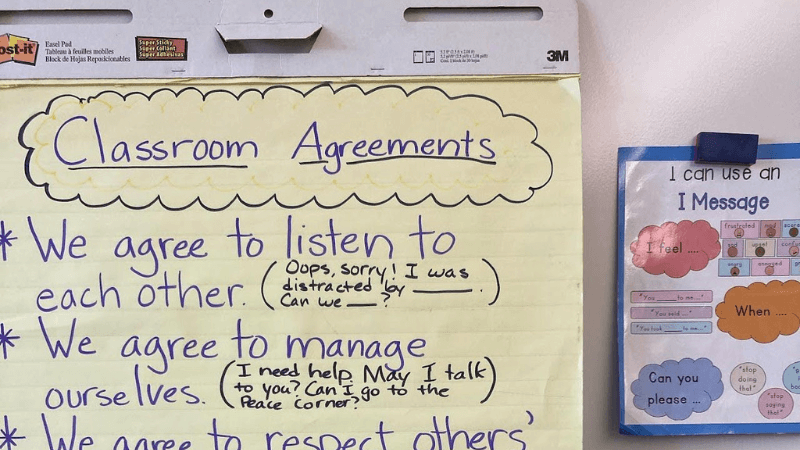
Create Community Agreements
Developing community agreements can be a fun, collaborative process that encourages a sense of ownership and collective responsibility among students. Try this activity to respond to your students’ dynamic needs. Read more >>
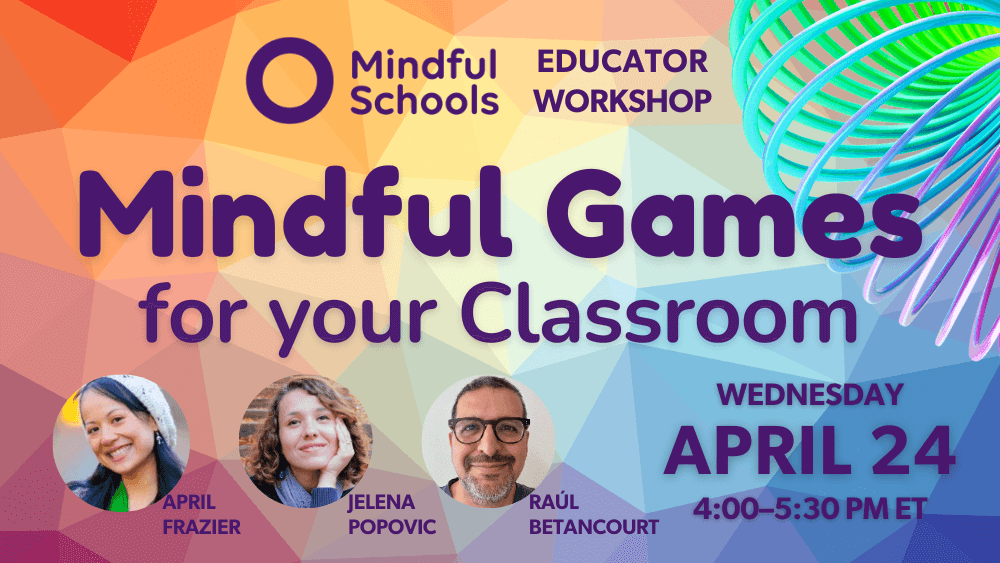
Mindful Games, April 24
Join us for this dynamic 90-minute training to experience mindfulness through play to evoke curiosity, spark creativity, foster engagement, and support learning. Learn more >>
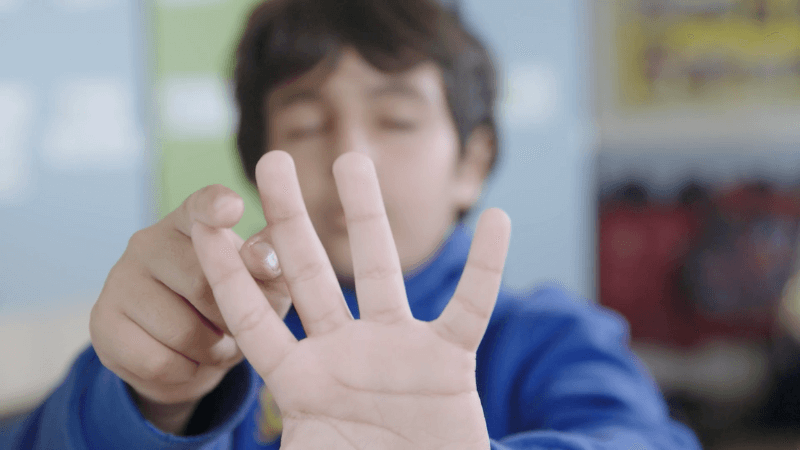
Take Five: Classroom Activity
One of the great things about mindfulness is that it helps us insert pauses throughout the day. Try this Take Five exercise and print a poster for your classroom. Read more >>
By Educators, For Educators, With Educators
Learn more about our partnership with Milner Middle School, a Title I school in Hartford, CT.
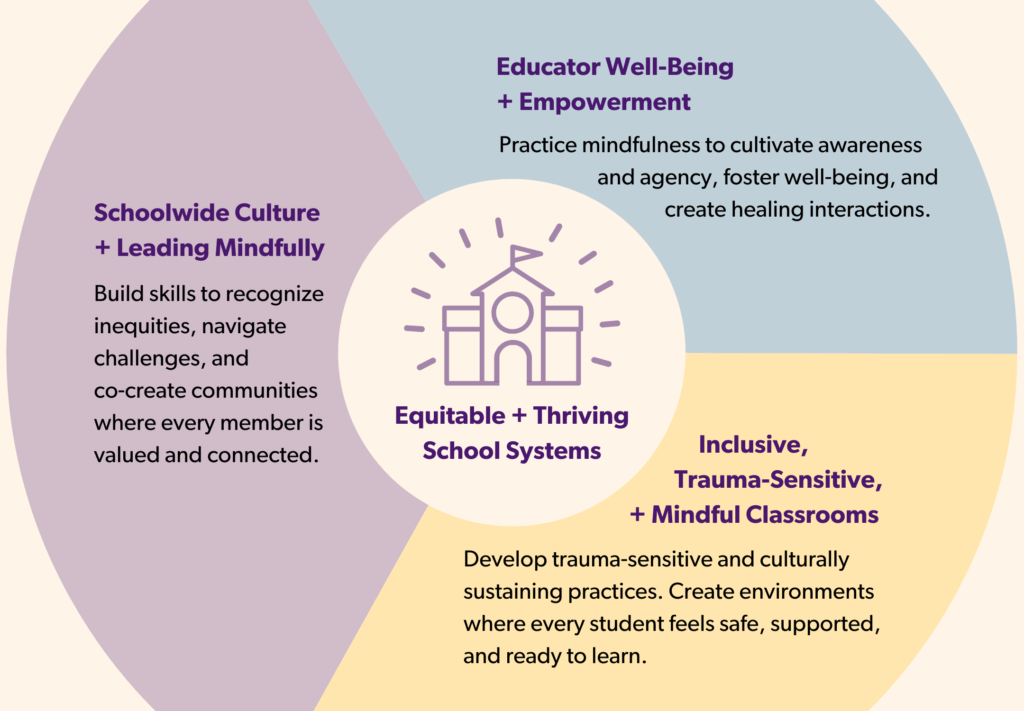
We empower school teams to build upon their unique strengths to achieve their community’s vision of wellness.
Our team of classroom teachers, administrators, and implementation specialists draws from lived experiences and expertise to design programs that are impactful and relevant for educators.
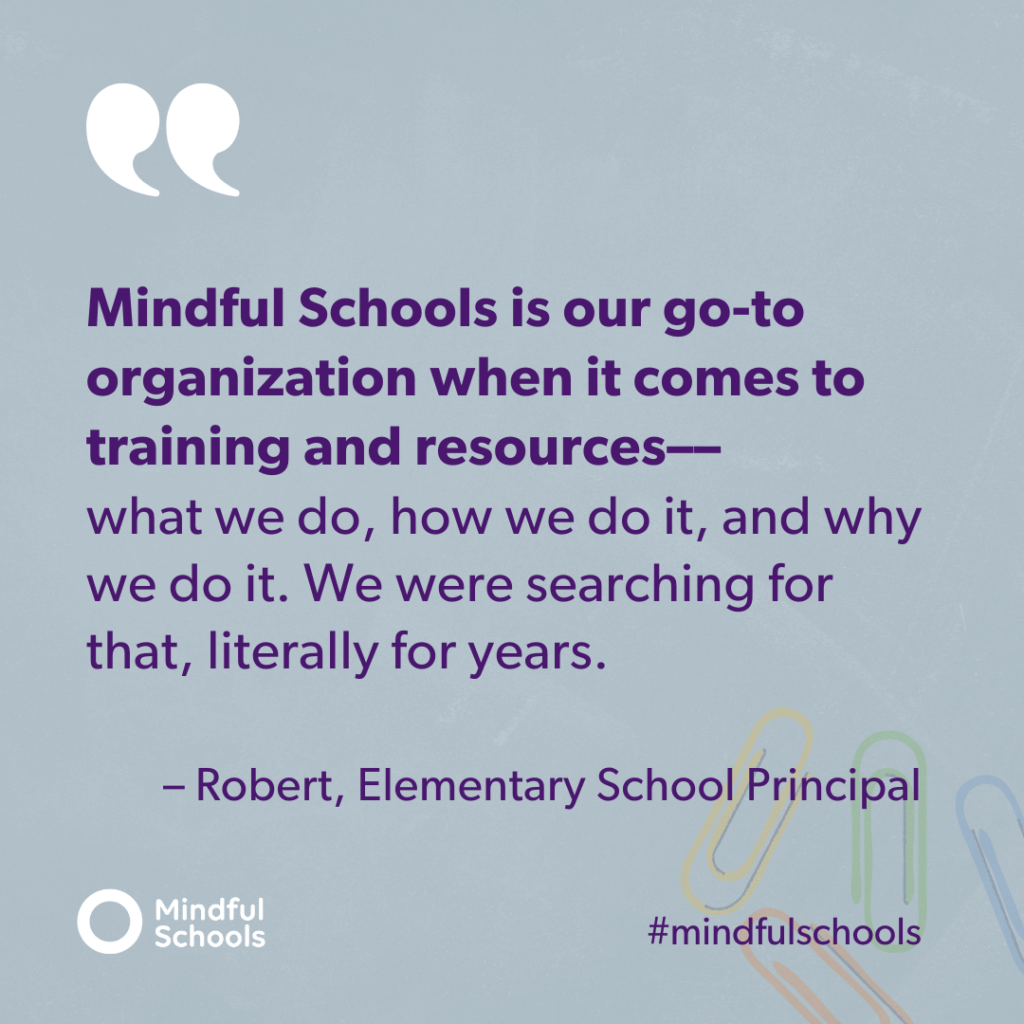
“Mindful Schools is our go-to organization when it comes to training and resources–– what we do, how we do it, and why we do it. We were searching for that, literally for years.”
– Robert Caplinger, Elementary School Principal
Laveen, AZ
Join Us for Transformational PD!
Over 70,000 educators have started their mindfulness journey in a Mindful Schools workshop and 101 course. View our Program Catalog, explore upcoming programs, and join us in nurturing a new generation of leaders to create a more equitable and thriving world.


WORKSHOPS
Mindful Games
Wed, Apr 24
Virtual Workshop:
1PM–2:30PM PT | 4PM–5:30PM ET
Join us for this dynamic 90-minute training to experience mindfulness through play to evoke curiosity, spark creativity, foster engagement, and support learning. Learn more.
LIMITED OFFERINGS
Spring Retreat

Sat, Apr 20, 2024
Virtual Mindfulness Retreat
8AM-1PM PT / 11AM-4PM ET
201 Live Intensive
Learn About 201 Live Intensive

July 2024
Join this powerful, 2-week live experience of our 201: Mindfulness in the Classroom course over the summer when you have more dedicated time to dive into the richness of the course content.
Want to build a mindful school?
Mindful Schools offers specialized services for schools and districts to help build a culture of mindfulness, equity, and well-being. We take a multi-year approach to create a program that addresses the unique needs of your community. Request more information and get started.
Or visit our Specialized Services page to learn more.
In the Press








Join Our Community
RSVP for our next Community Practice
Every month we guide a Community Practice, free for our community.
Join 340,000 Facebook friends
Find resources on the latest in mindfulness in education.
Follow us on Twitter
Connect with the mindfulness in education movement.
Get our Newsletter
Get classroom resources and research highlights in your inbox.